Your Gateway to Television Careers in Australia
Whether you dream of directing live broadcasts or crafting compelling news segments, the Australian television industry awaits skilled professionals ready to shape the future of media.
Explore Our Training Programmes
Television Production Has Never Been More Dynamic
The Australian broadcasting sector continues to evolve at a remarkable pace. With streaming platforms competing alongside traditional networks, demand for skilled television professionals has reached unprecedented levels. Studios across Sydney, Melbourne, and Brisbane actively seek trained talent capable of navigating both classic broadcast techniques and emerging digital workflows.
What sets successful television careers apart is the combination of technical expertise and creative vision. A camera operator must understand lighting ratios and frame composition. A floor manager needs split-second decision-making abilities while coordinating dozens of moving parts during live broadcasts.
At Snow-civet, we understand these nuances because our instructors have lived them. Our team includes former network directors, award-winning editors, and production managers who have worked on some of Australia's most recognised programmes.
Building Careers That Last
The path into television is rarely straightforward, but that is precisely what makes it rewarding. Entry-level positions such as production assistants and runners provide essential on-set experience. From there, specialisation opens doors to roles in directing, cinematography, sound engineering, or post-production.
"After completing my training with Snow-civet, I landed a runner position at a major network within three months. Two years later, I'm working as an assistant director on prime-time drama."— Rebecca Chen, Sydney
Our programmes are designed with this progression in mind. Rather than theoretical knowledge alone, we emphasise practical skills developed through hands-on studio time, real equipment, and simulated broadcast scenarios.
Diverse Roles, Shared Passion

Television production encompasses an extraordinary range of professions. Behind every broadcast, dozens of specialists collaborate to create seamless viewing experiences. Understanding these roles helps aspiring professionals identify where their strengths and interests align.
Camera Department includes operators, focus pullers, and directors of photography who capture visual content. These roles require technical precision combined with artistic sensibility.
Production Management encompasses producers, production managers, and coordinators who handle logistics, budgets, and scheduling. Strong organisational skills and the ability to problem-solve under pressure are essential.
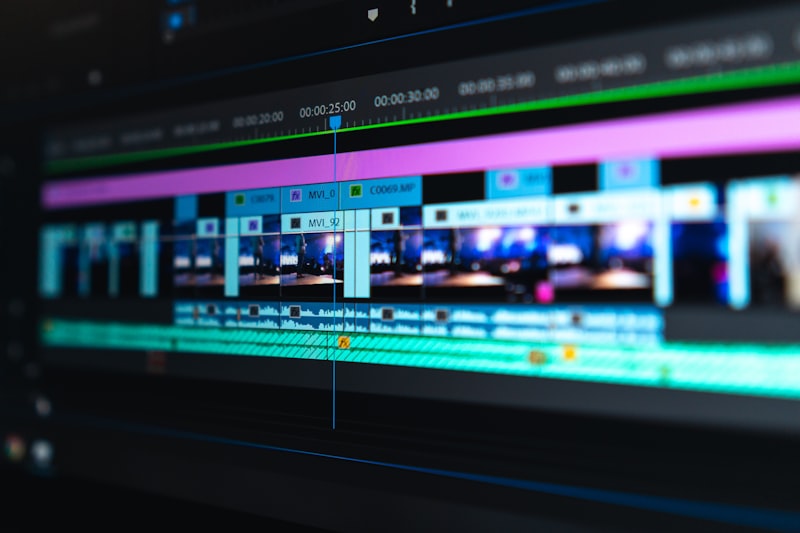
Post-Production brings together editors, colourists, and visual effects artists who transform raw footage into polished programmes. Proficiency with industry-standard software and attention to detail distinguish professionals in this field.
Technical Operations includes vision mixers, audio engineers, and broadcast technicians who ensure live programmes run smoothly. Split-second timing and deep technical knowledge define these positions.
Ready to Begin Your Journey?
Our comprehensive training programmes prepare you for real-world television production challenges.
View Training OptionsWhat Networks Look for in New Talent
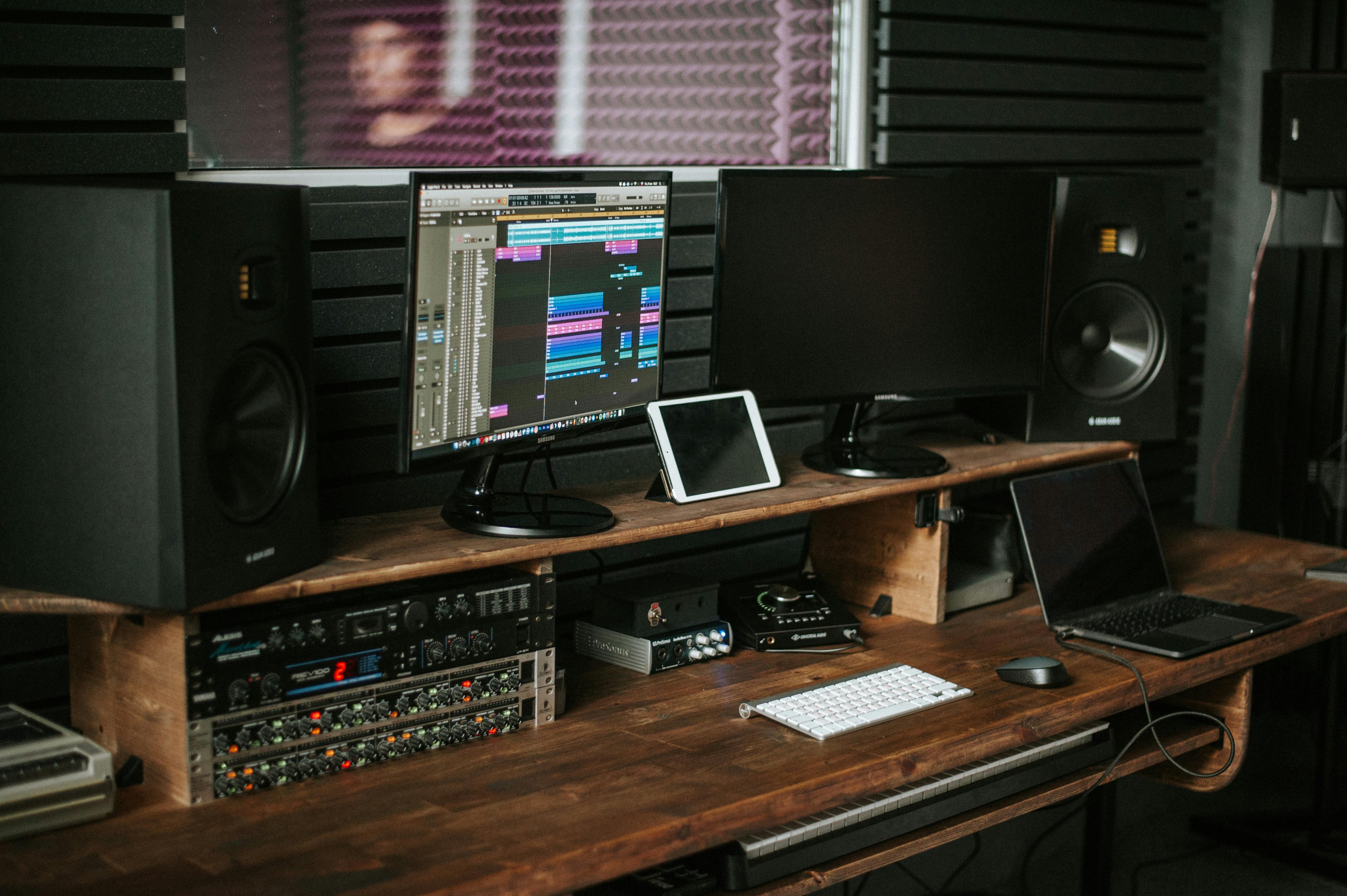
After years of collaboration with Australian networks, we have identified consistent qualities that hiring managers prioritise. Technical skills form the foundation, but they rarely determine who gets hired versus who gets overlooked.
Adaptability and Continuous Learning
Broadcast technology evolves constantly. Professionals who demonstrate willingness to learn new systems, adapt to changing workflows, and embrace emerging platforms position themselves for longevity in this industry.
Collaborative Spirit
Television production is inherently team-based. Even the most technically skilled individual will struggle without the ability to communicate effectively, accept feedback gracefully, and support colleagues during high-pressure situations.
"Technical competence gets you in the door. Your attitude and work ethic determine whether you stay. We hire people who make the studio a better place to work."— Production Manager, Melbourne Network
Understanding of the Full Pipeline
Specialists who comprehend how their role connects to others create smoother productions. A camera operator who understands editing constraints captures better footage. An editor familiar with on-set challenges makes wiser creative decisions.